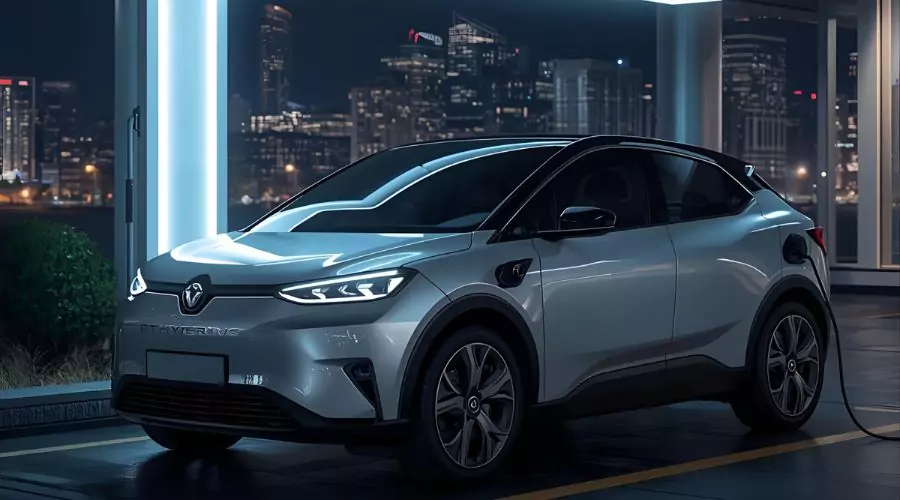
When considering a more eco-friendly vehicle, choosing between a traditional hybrid and a plug-in hybrid (PHEV) can be confusing. Both offer a mix of gasoline and electric power to reduce fuel consumption and emissions, but they differ in how they operate, cost, and charging needs. Whether you prioritize convenience, electric-only driving, or budget, understanding the key differences helps you decide which type suits your lifestyle best. This blog breaks down the main features, costs, and ownership aspects of hybrids versus plug-in hybrids to help you make an informed choice.
Feature | Hybrid | Plug-in Hybrid (PHEV) |
Price Range | Lower ($25,000 – $35,000) | Higher ($30,000 – $45,000) |
Electric-only Range | Very limited or none | 20-50 miles |
Charging Requirement | No external charging needed | Requires plug-in charging |
Fuel Efficiency | Good MPG, recharges battery via regenerative braking | Excellent MPG with electric driving option |
Maintenance Costs | Generally lower | Slightly higher due to battery and charging system |
Convenience | Simple, no charging hassles | Need to plan charging but can drive electric-only |
Best For | Long-distance drivers, less charging access | Short commutes, access to home/work charging |

Hybrids use a smaller battery that recharges automatically through braking and the gasoline engine, so you never have to plug them in. This convenience means hybrids are easy to use for long-distance or varied driving without worrying about charging. In contrast, plug-in hybrids feature larger batteries that allow for electric-only driving on shorter trips, usually between 20 to 50 miles. They need to be plugged in regularly to maximize this benefit, which may require setting up charging at home or work. If you want hassle-free driving, hybrids are simple; if you want more electric miles, PHEVs provide that flexibility.
Generally, hybrids come with a lower starting price than plug-in hybrids because of smaller batteries and less complex charging systems. Maintenance for hybrids is typically less expensive due to simpler designs and fewer battery components. Plug-in hybrids tend to cost more upfront, partly because of their bigger batteries and charging hardware. However, PHEVs may save more on fuel over time by enabling electric-only trips. Keep in mind that both qualify for federal or state incentives, but these vary and can influence your total cost. Consider your budget and how often you’ll charge to decide which option makes financial sense.
Hybrids improve fuel economy by combining gas and electric power but rely more heavily on gasoline once the battery depletes. They’re a solid step toward lowering emissions compared to traditional vehicles, especially in stop-and-go city driving. Plug-in hybrids go further by offering zero-emission electric driving for shorter distances, significantly cutting fuel use and pollution if charged regularly. The environmental benefits of PHEVs depend on your charging habits and electricity source. If you have easy access to charging and mostly drive short trips, plug-in hybrids offer superior eco-friendliness. Otherwise, hybrids remain a practical choice for reducing your carbon footprint.
Both hybrids and plug-in hybrids provide smooth, quiet rides with instant torque from electric motors that enhance acceleration. Hybrids automatically switch between gas and electric power to optimize efficiency, requiring no input from the driver. Plug-in hybrids give you the option to drive purely on electricity for a more silent and emission-free experience, switching seamlessly to gas when needed. Some PHEVs also offer sportier performance modes powered by their electric motors. If you enjoy having control over your electric range and driving modes, plug-in hybrids may feel more engaging, while hybrids offer simple, efficient operation.
One key difference is charging: hybrids need no external charge, making them convenient for drivers without access to charging stations or garages. Plug-in hybrids require regular charging to unlock their electric driving potential. This means installing a home charger or relying on public charging points, which may not be convenient for everyone. Charging times vary from a few hours at home to less with faster public chargers. If your lifestyle allows easy access to charging, PHEVs can dramatically reduce fuel use. If not, a hybrid’s self-charging system offers peace of mind and less planning.
Choosing between a hybrid and a plug-in hybrid boils down to your daily driving habits, budget, and access to charging. If you frequently drive long distances or don’t have easy charging options, a hybrid offers reliable fuel savings without any charging hassle. But if most trips are short and you can charge conveniently, a plug-in hybrid lets you maximize electric driving and reduce fuel costs. Consider total ownership costs, incentives, and your environmental goals. Test drive both types and evaluate your routine to find the right balance of convenience, efficiency, and price.
Sign in to your account