Finding toys for kids that hold their attention for more than a few minutes can feel like a challenge. The most memorable toys are often not the flashiest ones. They are the ones that give children something to build, solve, arrange, imagine or discover.
Temu’s current toy selection includes building sets, puzzles, sorting activities and fidget toys that suit different play styles. We’ve picked a few options that can turn ordinary indoor time into hands-on play, while giving parents ideas for choosing toys that children may return to again and again.
What Makes Toys for Kids Actually Engaging?
A toy is more likely to encourage repeat play when children have to participate. Building pieces can become different objects each time, while puzzles and sorting games offer small challenges that change as children become more confident.
Interactive kids toys do not necessarily need lights, sounds or screens. A toy can be interactive simply because a child has to decide what to do with it. Creative play toys work in much the same way: they leave room for imagination rather than having one fixed outcome.
Building Sets That Grow With Their Imagination
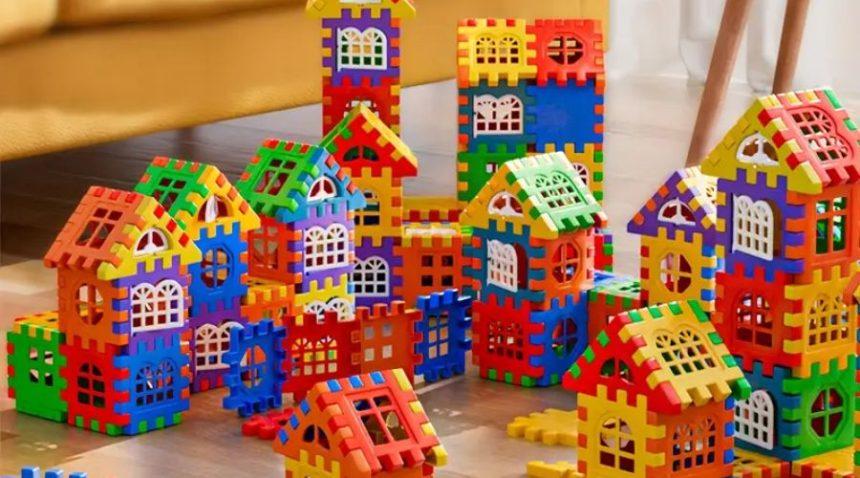
Building toys can be surprisingly versatile because there is rarely only one way to use them. A child can follow instructions, build a figure and then take the creation into pretend play.
12pcs Cute Pandas Building Blocks for Kids
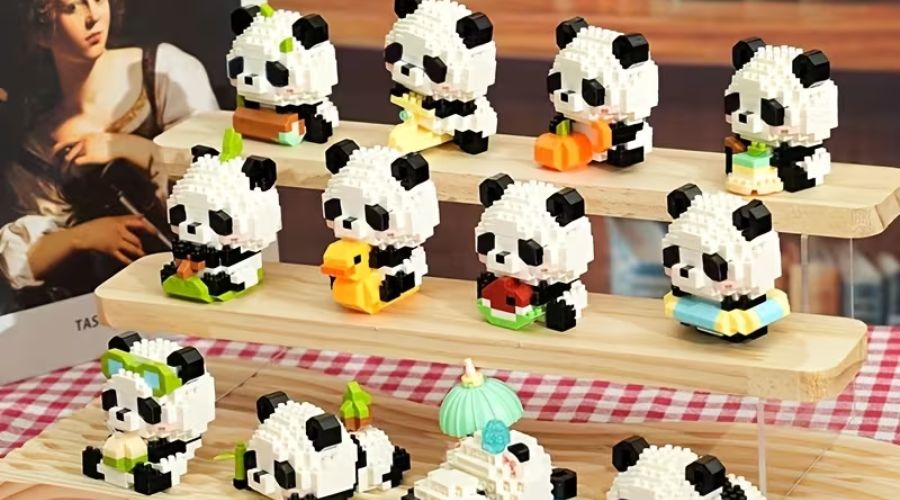
This compact set lets children assemble playful panda figures and then use them as characters in their own little stories. The pieces can also be rebuilt or incorporated into other creations, giving the activity more than one direction.
For children who enjoy making things with their hands, this kind of construction activity can work as both independent and shared play.
Puzzles for Kids Who Like a Challenge
Puzzles are useful age appropriate toys because their difficulty can be matched to a child’s abilities. Younger children can start with larger, simpler pieces, while older children can move towards more detailed designs.
Wooden Animal Puzzle for Children 3+
Animal-shaped wooden pieces make the activity familiar while children practise matching shapes, rotating pieces and working out where each piece belongs. It can also work well as quiet indoor play.
The appeal of a puzzle is not just completing the final picture. Children also learn to pause, try different possibilities and keep working when a piece does not immediately fit.
Sorting and Stacking Toys for Hands-On Play
Some children naturally enjoy moving, arranging and reorganising objects. Sorting and stacking toys give them a simple way to explore that instinct.
This wooden activity combines sorting, stacking and puzzle-style play. Children can experiment with colours, shapes and different arrangements instead of following one fixed action.
A younger child might focus on matching, while an older preschooler can experiment independently. That flexibility makes this type of toy useful for everyday play.
Animal Puzzle Sets That Turn Play Into a Story
For some children, a familiar theme can make a puzzle much more inviting. Animal sets have another advantage: once the pieces are assembled, they can become part of imaginative play.
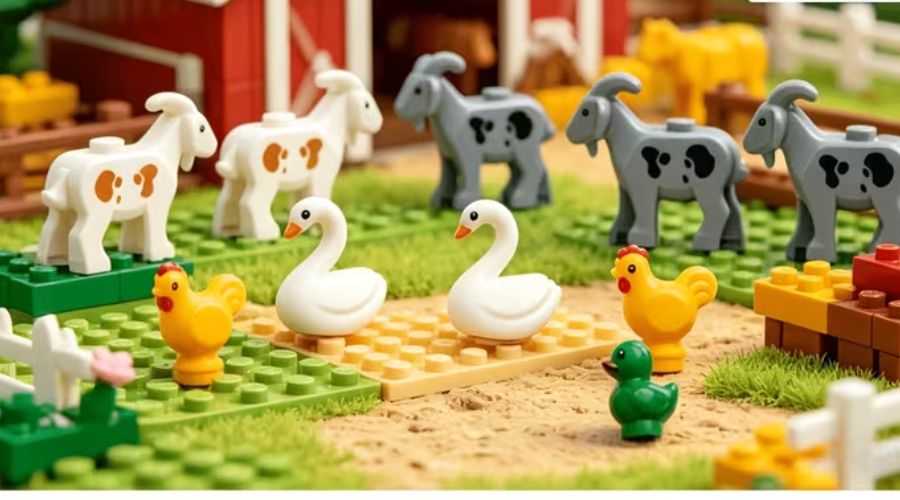
Featuring animals such as cats, dogs, sheep and birds, this set can be assembled into individual figures and then arranged into a make-believe zoo, farm or other setting.
That second stage gives the child another reason to stay with the toy. The activity can move from assembling pieces to creating characters and stories.
Fidget Toys for Short, Repeatable Play
Not every toy needs a long activity or a finished result. Some children enjoy simple objects they can spin, move and manipulate repeatedly.
Recommended picks:
- Fidget Spinners for Kids – A simple spinning toy that offers tactile, repeatable interaction and can be used for short periods of hands-on play.
- Mechanical Deformation Fidget Spinner Robot – This version adds movable and transforming elements, giving children more to explore than simply spinning the toy.
Parents should check the recommended age and supervise younger children when toys contain small or detachable parts.
Choosing Toys by Age and Play Style
Toddlers and Younger Preschoolers
Look for larger, easy-to-handle pieces, simple sorting activities, chunky puzzles and toys that encourage stacking or matching. Always follow the manufacturer’s age guidance, particularly when a product contains small pieces.
Repetition is normal at this stage. Doing the same action several times can help children understand how objects fit together and build confidence.
Preschoolers
Preschoolers are often ready for toys with several possible outcomes. Building sets, puzzles, sorting activities and pretend-play toys let them make choices and experiment.
A construction set might become a figure one day and part of a make-believe world the next. That freedom can make play feel fresh without requiring a new toy every time.
School-Age Children
Older children may enjoy more detailed puzzles, construction sets and activities that involve planning or problem-solving. Look for a challenge that is interesting without being so difficult that they immediately need help.
Age labels are useful, but a child’s interests, coordination and ability to use a toy safely matter too.
Final Takeaway
The best toys for kids are not necessarily the ones that grab attention for the first five minutes. They are the ones that give children a reason to return: another structure to build, another puzzle to solve, another arrangement to try or another story to invent.
The panda building blocks encourage construction and imagination. The wooden puzzle introduces problem-solving, while the sorting set offers hands-on experimentation. The animal puzzle can move naturally from assembly into storytelling, and the fidget toys provide simple, repeatable interaction.
What connects these recommendations is the opportunity for children to do something with the toy. When a toy leaves some room for curiosity and choice, five minutes of play can become something much longer.
FAQ’s
<div class=”su-spoiler-group”>
<div class=”su-spoiler”>
<div class=”su-spoiler-title”>
<span class=”su-spoiler-icon”></span>
What Types of Toys Keep Kids Entertained for Longer?
</div>
<div class=”su-spoiler-content”>
<p>Toys that encourage active participation tend to offer more opportunities for repeat play. Building sets, puzzles, sorting games and animal-themed toys all give children something to figure out or create.</p>
<p>The key is variety within the toy itself. When a child can build something differently, change an arrangement or invent a new story, the same toy can feel different from one play session to another.</p>
</div>
</div>
<div class=”su-spoiler”>
<div class=”su-spoiler-title”>
<span class=”su-spoiler-icon”></span>
How Do I Choose Toys That Are Appropriate for My Child’s Age?
</div>
<div class=”su-spoiler-content”>
<p>Start with the manufacturer’s recommended age range and safety information. Then consider whether the toy matches the child’s current abilities.</p>
<p>Check the size of the pieces, the complexity of the activity and whether supervision is required. The best <strong>age appropriate toys</strong> usually offer a manageable challenge: enough difficulty to encourage curiosity without creating unnecessary frustration.</p>
</div>
</div>
<div class=”su-spoiler”>
<div class=”su-spoiler-title”>
<span class=”su-spoiler-icon”></span>
What Are Good Toys for Kids Who Get Bored Easily?
</div>
<div class=”su-spoiler-content”>
<p>Look for toys that can be used in more than one way. Building blocks can become characters or structures, animal puzzles can lead into storytelling, and sorting toys can be used for different matching or arranging activities.</p>
<p>Rotating toys can also help. Instead of leaving every toy available all the time, putting some away and bringing them back later can make familiar activities feel fresh.</p>
</div>
</div>
<div class=”su-spoiler”>
<div class=”su-spoiler-title”>
<span class=”su-spoiler-icon”></span>
Which Toys Encourage Independent and Creative Play?
</div>
<div class=”su-spoiler-content”>
<p>Open-ended toys are especially useful because they leave decisions to the child. Building sets, puzzles, sorting activities and animal-themed sets can all encourage children to work things out at their own pace.</p>
<p><strong>Creative play toys</strong> are most useful when there is no single correct result. Children can experiment, make mistakes, start again and decide what they want the finished activity to become.</p>
</div>
</div>
<div class=”su-spoiler”>
<div class=”su-spoiler-title”>
<span class=”su-spoiler-icon”></span>
What Should Parents Consider When Choosing Everyday Toys for Children?
</div>
<div class=”su-spoiler-content”>
<p>Consider age suitability, safety, durability, storage and how many ways the child can use the toy. A toy that requires very little preparation and can be played with independently may become more useful than one that looks exciting but has only one function.</p>
<p>It is also worth thinking about whether the toy can grow with the child. A simple building set can eventually become part of pretend play, while a basic puzzle can introduce more complex problem-solving as the child develops.</p>
</div>
</div>
</div>