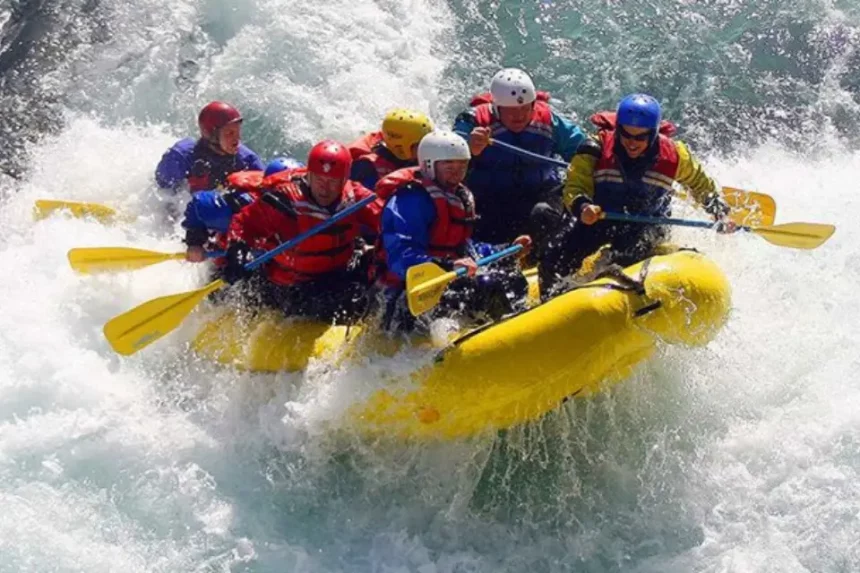
White water rafting is an exhilarating and thrilling experience that will take your breath away. Whether you’re an experienced rafter or a novice, it’s an adventure you’ll never forget. With the right supplies and knowledge, you can safely navigate the rapids and enjoy a once in a lifetime experience. This complete guide to white water rafting contains everything you need to know to make your rafting experience the best it can be.
From the gear you’ll need to the best rafting spots, to safety tips and tricks, this guide will help you prepare for your journey into the rapids. So get ready to be swept away on an adventure of a lifetime.
1. Overview of White Water Rafting
White water rafting is a water sport where participants paddle a raft through a rapid river. Rapid rivers are typically those that flow rapidly over rocks or other material that is near the surface of the water. Rapid rivers are found in wilderness areas. Certain areas of the world have rivers that are known for their challenging rapids. The most famous white water rafting location is the Colorado River. The Colorado River flows through the Rocky Mountains, where it passes through canyons and over rapids that are legendary.
Another famous river is the Nile River, which flows through Egypt. Rafters travel down the Nile River in specially designed rafts that are specially designed to navigate the rapids. White water rafting is often done with a tour company. A tour company will typically provide you with a guide who will help you navigate the rapids. Some people, however, choose to do self-guided rafting where they rent a raft, find a river, and navigate the rapids independently. This kind of rafting is more challenging, but it can be a great way to save money and experience more of the river.
2. Benefits of White Water Rafting
White water rafting can be a great way to challenge yourself and test your skills. As you navigate the rapids, you’ll learn to be more aware of your surroundings. You’ll also learn to work as a team with the other rafters on your raft. This can be a great experience for groups or teams who want to bond and build trust.
Rafting can also be a great experience for nature lovers. You’ll be able to experience nature up close and personal. You’ll see wildlife and experience the natural beauty of the landscape. You’ll also be able to enjoy some great photo opportunities as you float down the river.
3. What You Need to Know Before You Go
There are a few things to consider before you go on a white water rafting trip. First, you’ll want to make sure you are physically able to participate in rafting. You’ll also want to make sure that you have the necessary insurance to cover you in case of an accident.
When booking your trip, you’ll want to make sure that you choose a trip that is right for your skill level. You’ll also want to make sure that you look after your equipment. You’ll also want to make sure that you are well hydrated before you go.
4. Types of White Water Rafting
There are two main types of rafting: solitary and team. Solitary rafting is when one person is in the raft at a time and there is no team work. In team rafting, there are 2 or more people rowing and paddling at one time. There are also different levels of white water rafting.
As a beginner, you’ll want to start with a level 1 or 2. A level 3 rafting trip is for experienced rafters only. You’ll want to make sure that you choose a trip that is right for your skill level.
5. Gear You’ll Need
There are a few pieces of gear that are essential for a white water rafting trip. The first piece of gear you’ll need is a life jacket. You’ll also want to make sure to bring sunscreen and wear a hat to protect yourself from the sun. You’ll also want to bring sunglasses to protect your eyes from UV rays. Bring a camera to take photos of the beautiful scenery. Make sure you have plenty of water and snacks with you to stay hydrated and nourished.
6. Best White Water Rafting Locations
The Colorado River is the most famous river for white water rafting. Other great places for rafting are the Zambezi River in Zimbabwe, the Snake River in Idaho, the Mekong River in Vietnam, and the Nile River in Egypt.
7. Safety Tips for White Water Rafting
Before you go rafting, make sure to review safety tips with your guide. They will be able to help you navigate the rapids safely and be prepared for any emergency that might arise. First, make sure to wear a life jacket at all times. This is the number one safety tip for rafting. You’ll also want to make sure to paddle correctly.
If you have a team, you’ll want to make sure to help other team members with their paddle when necessary. If you are rafting with a group, make sure to know your team members before going on the trip. This can help you get to know each other and build trust with each other. Be aware of your surroundings and use your surroundings to your advantage. This can help you avoid any dangerous situations.
8. Fun White Water Rafting Activities
After you’ve finished your rafting trip, there are many other activities to do in the area. You can go hiking, go sightseeing, or choose to go caving. You can also choose to visit a nearby town and go shopping or visit a nearby museum.
9. Tips for Experienced Rafters
If you are an experienced rafter, there are a few things you can do to make your trip more fun and exciting. First, make sure you choose a challenging trip. You don’t want to pick a trip that is too easy and boring. Make sure you are well hydrated before you raft.
This is especially important if you have any health conditions such as diabetes. To make your trip more challenging, try to raft in the dark or during a full moon. Or try to raft in different seasons when the water levels are different.
Conclusion
White water rafting is an exhilarating experience that you’ll never forget. Whether you’re an experienced rafter or a novice, it’s an adventure you’ll never forget. With the right supplies and knowledge, you can safely navigate the rapids and enjoy a once in a lifetime experience.