
On September 9, 2025, Apple’s “Awe Dropping” event, held at Apple Park in Cupertino, California, captivated a global audience with a live stream on applecom, YouTube, and Apple TV. This flagship event introduced the iPhone 17 series, alongside updates to the Apple Watch, AirPods, and accessories, solidifying Apple’s leadership in the $400 billion smartphone market. With iPhone revenue surging 13.5% to $44.6 billion in Q3 2025, the event showcased groundbreaking design, advanced AI, and sustainable manufacturing. This 1200-word blog recaps the key highlights of the Apple Event Highlight Recap 2025, detailing the iPhone 17 lineup, complementary products, software integrations, industry trends, and practical tips for engaging with these launches, offering a comprehensive guide for tech enthusiasts and consumers.






Keynote Overview: A Showcase of Innovation
Hosted by CEO Tim Cook, the “Awe Dropping” event opened with a cinematic presentation filmed entirely on the iPhone 17 Pro, emphasizing Apple’s focus on creator-driven technology. The keynote highlighted the “Liquid Glass” design language, introduced at WWDC 2025, which unifies iOS 26, iPadOS 26, and other platforms with a translucent, fluid aesthetic. Cook described the iPhone 17 series as “the most advanced iPhones ever,” blending style, performance, and sustainability. The event, attended by select press and developers, drew millions of viewers online, with X buzzing about the iPhone 17 Air’s ultra-thin design and the Pro models’ bold color options.
iPhone 17 Series: Redefining Smartphone Excellence
The centerpiece of the event was the iPhone 17 lineup, comprising four models: iPhone 17, iPhone 17 Air, iPhone 17 Pro, and iPhone 17 Pro Max. Replacing the iPhone Plus, the Air model introduces a new tier focused on sleek design, while the Pro models cater to creators and power users.
1. iPhone 17 ($799)
- Design and Display: Features a 6.3-inch Super Retina XDR OLED display with ProMotion (120Hz refresh rate), a first for the base model, and Ceramic Shield 2 for 3x scratch resistance and 4x crack resistance. Available in Black, White, Steel Gray, Green, Purple, and Light Blue.
- Performance: Powered by the A19 chip (3nm) with 8GB RAM, supporting Apple Intelligence features like Visual Intelligence for object recognition.
- Camera: Dual 48MP rear system (main and ultra-wide) with 2x optical zoom via cropping, plus a 24MP front camera for sharper selfies.
- Connectivity: Apple’s C1 modem for sub-6GHz 5G, Wi-Fi 7 for speeds up to 40Gb/s, and eSIM-only in select markets.
- Battery: ~3,600mAh with 35W wired and 25W MagSafe charging.
The iPhone 17 narrows the gap with Pro models, offering premium features at an accessible price, competing with the Samsung Galaxy S25 and Google Pixel 10.
2. iPhone 17 Air ($999)
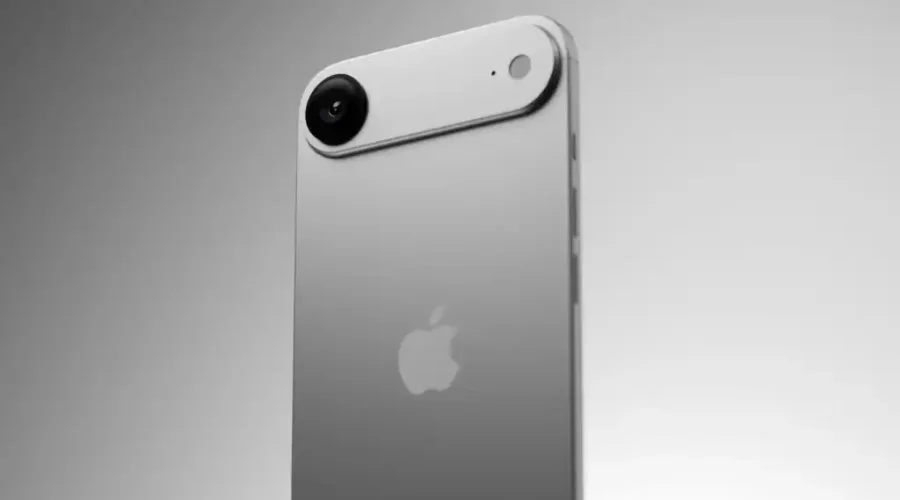
- Design: Apple’s thinnest iPhone at 5.5mm (9.5mm with camera bar), crafted with a titanium-aluminum frame and weighing ~145 grams. Available in Black, Silver, Light Gold, and Sky Blue.
- Display: 6.6-inch OLED with 120Hz ProMotion, 2,000 nits brightness, and a 7-layer anti-reflective coating.
- Camera: Single 48MP rear camera with 2x optical zoom, 24MP front camera. Lacks ultrawide or telephoto lenses to maintain its slim profile.
- Performance: A19 chip with 8GB RAM, paired with a vapor chamber for thermal efficiency.
- Battery and Connectivity: ~2,900mAh battery with 35W charging, Apple’s C1X modem (30% more power-efficient), and Wi-Fi 7.
The iPhone 17 Air targets style-conscious users, rivaling slim Android devices like the Samsung Galaxy S25 Edge (5.8mm).
3. iPhone 17 Pro ($1,099) and Pro Max ($1,249)
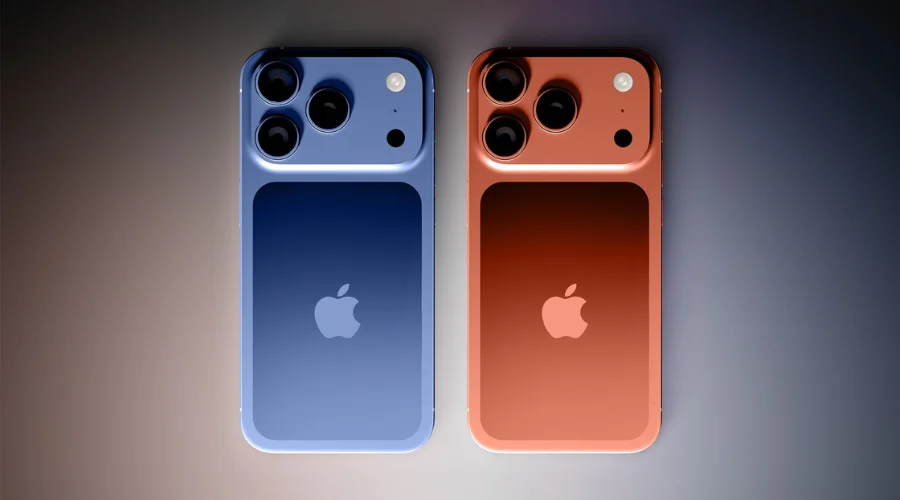
- Design: Features a half-aluminum, half-glass back for lighter weight and better heat dissipation, with a horizontal camera bar. Available in Black, Silver, Dark Blue, Copper, and a polarizing Cosmic Orange.
- Display: 6.3-inch (Pro) and 6.9-inch (Pro Max) OLED with ProMotion (1–120Hz), 3,000 nits brightness, and Ceramic Shield 2.
- Performance: A19 Pro chip with 12GB RAM, a 6-core CPU, 6-core GPU, and vapor chamber cooling for gaming and 8K video.
- Camera: Triple 48MP system (main, ultra-wide, telephoto with 8x zoom), 24MP front camera, and 8K video recording. The Pro Max may include a mechanical aperture for cinematic effects.
- Battery: Pro Max offers a ~5,000mAh battery, with both models supporting 35W wired and 25W wireless charging.
The Pro models cater to creators, with advanced cameras and performance rivaling the Galaxy S25 Ultra and Pixel 10 Pro.
Complementary Product Announcements
The event also showcased updates to Apple’s wearable and audio lines:
- Apple Watch Series 11 ($399): Features a 5G RedCap modem, 24-hour battery life, blood pressure monitoring, and a 2x more scratch-resistant display.
- Apple Watch Ultra 3 ($799): Adds satellite connectivity for emergencies and advanced health sensors, maintaining its rugged design.
- Apple Watch SE 3 ($249): Upgrades to an always-on display and faster S-series chip.
- AirPods Pro 3 ($249): Introduces foam-infused eartips, improved ANC, in-ear health monitoring (heart rate, temperature), and an H3 chip with 8-hour battery life.
- Accessories: New iPhone cases include a 1mm clear bumper for the Air and TechWoven for Pro models ($59), replacing FineWoven. A cross-body strap ($59) and 40W Dynamic Power Adapter ($39) were also announced.
Software Integration: iOS 26 and Apple Intelligence
Released on September 15, 2025, iOS 26 powers the iPhone 17 series with:
- Liquid Glass Design: A translucent interface with rounded, dynamic app icons, unified across iOS, iPadOS, and macOS Tahoe 26.
- Apple Intelligence: On-device AI enables Visual Intelligence, Call Screening, Live Translation for calls and Messages, and priority notifications with summaries. Full Siri upgrades are delayed to 2026, drawing criticism for lagging behind Google’s Gemini.
- Games App: A new hub for Apple Arcade and gaming, enhancing social challenges and leaderboards.
iOS 26 supports devices back to the iPhone 11, ensuring broad adoption.
Industry Trends Reflected
Apple Event Highlight Recap 2025 aligns with key tech trends:
- Ultra-Thin Design: The iPhone 17 Air’s 5.5mm profile competes with slim Android devices, catering to portability demands.
- Sustainability: Uses recycled aluminum and U.S.-made glass, supporting Apple’s carbon-neutral goal by 2030. Indian manufacturing mitigates tariff costs.
- AI Integration: Apple Intelligence, though incomplete, emphasizes privacy-focused AI, trailing Google and Samsung’s offerings.
- Connectivity: Wi-Fi 7 and Apple’s C1/C1X modems deliver faster 5G, aligning with industry shifts toward seamless networking.
- Creator Tools: The Pro models’ 8K video and advanced cameras cater to content creators, rivaling Sony and Samsung’s flagship features.
Practical Tips for Engaging with the Apple Event Highlight Recap
1. Watch the Event
- Replay: Stream the September 9 event on apple.com, YouTube, or the Apple Events app.
- Condensed Recaps: Watch The Verge’s 30-minute highlight or CNET’s 10-minute summary on YouTube.
- Podcast: Listen to the “Apple Events” podcast for audio recaps.
2. Plan Your Purchase
- Preorders: Started September 12, 2025, at 5:00 AM PT via apple.com, Apple Stores, or carriers like AT&T (offering up to $700 off with trade-ins).
- Pricing: iPhone 17 ($799–$1,099), Air ($999–$1,299), Pro ($1,099–$1,499), Pro Max ($1,249–$1,849). Apple Card Monthly Installments provide interest-free payments.
- Trade-Ins: Get up to $650 credit at Apple or carriers for eligible devices.
3. Stay Informed
- Follow Updates: Track @Apple, @MacRumors, and @9to5Mac on X for news, reviews, and leaks.
- Apple Newsroom: Visit apple.com/newsroom for detailed specs and press releases.
4. Visit Apple Stores
- Hands-On Demos: Test the iPhone 17 series, Apple Watch, and AirPods at stores like Apple Fifth Avenue (NYC) or Regent Street (London) starting September 19.
- Travel: Use public transit (e.g., NYC subway, $3/ride) or budget for parking ($20–$40/day). Book appointments via the Apple Store app.
5. Maximize Your Experience
- Test Features: Explore the iPhone 17 Pro’s 8K video, Air’s slim design, and iOS 26’s Liquid Glass interface.
- Accessories: Try the TechWoven case or cross-body strap for style and functionality.
- Community Engagement: Join discussions on Reddit or X with hashtags like #iPhone17 or #AppleEvent.
Impact and Reception
The event sparked significant buzz, with X posts praising the iPhone 17 Air’s design but debating the Pro’s Cosmic Orange color and the Air’s single camera. Apple’s stock rose 2.86% in September 2025, despite a 1.5% post-event dip due to design critiques. The iPhone 17’s ProMotion and the Pro models’ 8K video were lauded, positioning Apple as a leader in premium smartphones.
Broader 2025 Context
Apple’s 2025 roadmap includes:
- February: iPhone 16e ($599) with an A18 chip.
- March: MacBook Air (M4), Mac Studio, iPad Air (M3).
- October/November: Mac Pro (M4), M5 MacBook Pro, Apple TV 4K, Vision Pro (M5).
These launches drive ecosystem upgrades and subscriptions like Apple Fitness+.
Conclusion
The Apple Event 2025, held September 9, unveiled the iPhone 17 series, Apple Watch updates, and AirPods Pro 3, powered by iOS 26’s Liquid Glass design. Stream the replay on apple.com, preorder via Apple or carriers, and explore demos starting September 19. With sustainable materials, AI advancements, and innovative designs, Apple continues to shape the future of technology in 2025.
For more detailed information, visit Nowandlive!