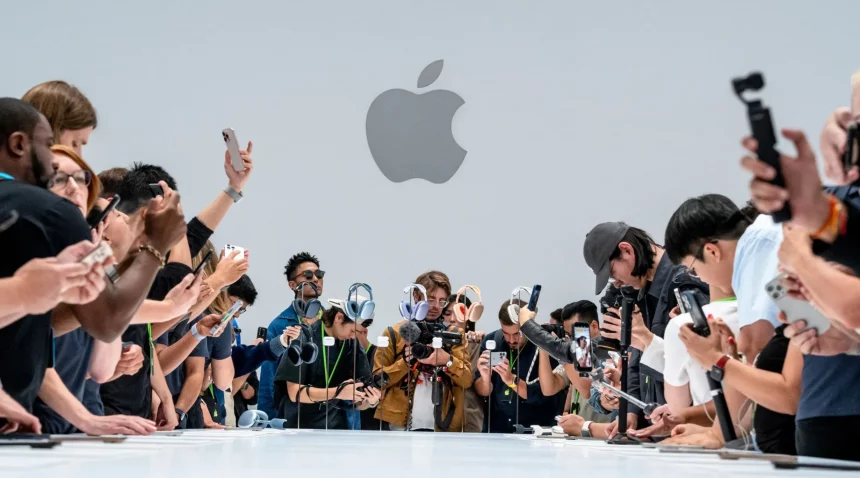
The next Apple Special Event, scheduled for September 9, 2025, at 10:00 a.m. Pacific Time (1:00 p.m. Eastern Time), is poised to be a landmark moment in consumer technology. Held at the Steve Jobs Theater in Apple Park, Cupertino, California, this event, tagged with the evocative “Awe Dropping” theme, will be streamed live on Apple’s website, YouTube, and Apple TV app. As of today, September 5, 2025, anticipation is high, with industry insiders and fans eagerly awaiting the reveal of Apple’s 2025 product lineup, headlined by the transformative iPhone 17 series. Drawing on insights from sources like MacRumors, Bloomberg, CNET, and 9to5Mac, this 1000-word blog explores the event’s significance, details all expected product launches, highlights emerging trends, and provides practical tips for engaging with the releases. With Apple’s focus on AI, health, and sustainability, this event promises to redefine user experiences across its ecosystem.






Why the Next Apple Special Event Matters
Apple’s September events are the cornerstone of its annual product cycle, often unveiling flagship iPhones that drive significant revenue—$44.6 billion in Q3 2025 alone, per Bloomberg. The 2025 event follows the June WWDC, where Apple introduced iOS 26, iPadOS 26, macOS 26 Tahoe, watchOS 26, tvOS 26, and visionOS 26, adopting a year-based naming convention. The “Awe Dropping” tagline suggests bold innovations, likely centered on the ultra-thin iPhone 17 Air and enhanced Apple Intelligence features. With preorders expected on September 12 and retail availability on September 19, this event will shape Apple’s trajectory amid competitive pressures from Google, Samsung, and potential tariff impacts under new U.S. policies. Analysts predict over 100 million iPhone shipments in Q4 2025, underscoring the event’s global impact.
Products Launching at the Apple Special Event 2025

Based on reports from analysts like Ming-Chi Kuo, Mark Gurman, and sources such as MacRumors, 9to5Mac, and CNET, the September 9 event will feature a robust lineup. While some products may be reserved for an October event, the following are confirmed or highly likely for September:
1. iPhone 17 Series
The iPhone 17 lineup is the event’s centerpiece, introducing four models with significant upgrades:
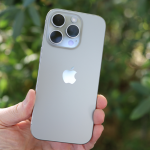
- iPhone 17 (Base Model): Features a 6.3-inch LTPO OLED display with 120Hz ProMotion (a first for non-Pro models), A19 chip, 8GB RAM, 48MP main camera, 12MP ultra-wide, 24MP front camera, ~3,600mAh battery, Wi-Fi 7, and Apple’s C1 5G modem (partial rollout). Priced at ~$899, it’s available in Black, White, Steel Gray, Green, Purple, and Light Blue. The ProMotion display ensures smoother scrolling and animations.
- iPhone 17 Air: Replacing the Plus model, this ultra-thin (5.5mm) phone has a 6.6-inch display, A19 chip with 5-core GPU, 12GB RAM, a single 48MP rear camera, 24MP front camera, ~2,800mAh high-density battery, and a titanium-aluminum frame. Starting at ~$949, it prioritizes portability and sleek design.
- iPhone 17 Pro: Boasts a 6.3-inch display with anti-reflective coating, A19 Pro chip, 12GB RAM, triple 48MP cameras (main, ultra-wide, telephoto with 8x zoom and mechanical aperture), 24MP front camera, ~3,582mAh battery, and vapor chamber cooling. Priced at ~$1,049, it features a horizontal camera bar for improved ergonomics.
- iPhone 17 Pro Max: Offers a 6.9-inch display, A19 Pro chip, 12GB RAM, triple 48MP cameras with enhanced zoom, 24MP front camera, >5,000mAh battery (Apple’s largest), and advanced cooling (graphite sheet + vapor chamber). Starting at ~$1,249, it introduces a copper/orange color option.
All models run iOS 26 with Liquid Glass design, enhanced Apple Intelligence (e.g., Visual Intelligence, Genmoji, Live Translation), and support 35W wired charging.
2. Apple Watch Series 11
Priced at ~$399, the Series 11 features a 42mm or 46mm LTPO OLED display, S11 chip, and up to 30 hours of battery life. It introduces blood pressure monitoring (alerting for hypertension trends) and sleep apnea detection via the Vitals app, building on Series 10’s 18-hour battery.
3. Apple Watch Ultra 3
The rugged Ultra 3, priced at ~$799, retains its 49mm titanium design with an S11 chip, 5G RedCap modem, heart rate monitoring, enhanced GPS, and up to 36 hours of battery life. A larger 422×514-pixel display (up from 410×502) uses slimmer bezels.
4. Apple Watch SE 3
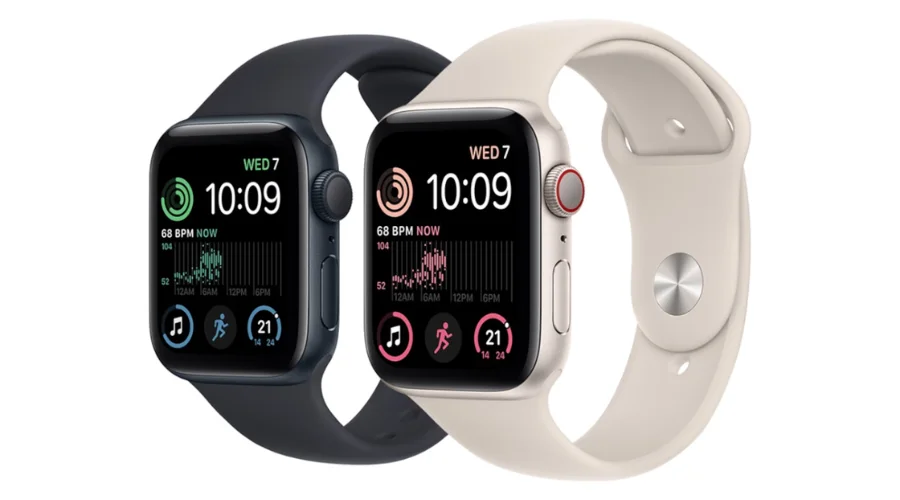
A budget option at ~$249, with a 40mm or 44mm Retina display, S9 chip, and basic health features (no ECG or blood oxygen). It includes sleep apnea detection and may feature a lighter plastic casing.
5. AirPods Pro 3
Expected at ~$249, these earbuds feature the H3 chip, improved active noise cancellation (ANC), heart rate monitoring, and real-time translation. The design enhances fit, with seamless iOS 26 integration.
6. AirPods Max 2
Priced at ~$549, these over-ear headphones include the H3 chip, USB-C charging, enhanced ANC, lossless audio, and new color options. They refresh the 2020 model with adaptive audio features.
7. AirTag 2
Likely priced at ~$29, the AirTag 2 offers a 3x longer tracking range, tamper-proof speaker for anti-stalking, and low-battery alerts. It aligns with the iPhone accessory focus.
8. HomePod mini 2
At ~$99, it features an S9 chip, Wi-Fi 6E/7, and improved sound quality. While a September launch is possible, an October debut alongside Apple TV 4K is more likely due to the packed agenda.
9. Apple TV 4K (4th Generation)
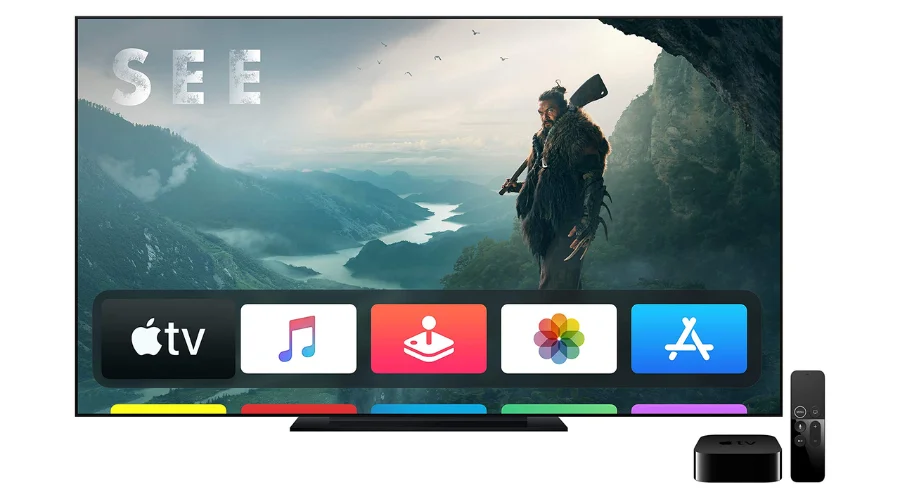
Priced at ~$129, it includes a faster chip (likely A17 Bionic), Wi-Fi 6E/7, and no major design changes. An October launch is probable, potentially with a FaceTime camera.
Emerging Trends at the Event
1. Apple Intelligence Integration
iOS 26’s Liquid Glass design and AI features like Visual Intelligence (object recognition) and Live Translation enhance device functionality, positioning Apple against competitors like Google’s Gemini.
2. Health and Wellness Focus
Blood pressure and heart rate monitoring in watches and AirPods, plus sleep apnea detection, underscore Apple’s commitment to health innovation.
3. Sustainability Efforts
Recycled materials and electrically released adhesive for easier repairs align with Apple’s 2030 carbon-neutral goal, as seen in past launches like the iPhone 15 series.
4. Design Innovation
The iPhone 17 Air’s ultra-thin profile and Pro models’ horizontal camera bar prioritize aesthetics and usability.
5. Connectivity Upgrades
Wi-Fi 7 and the C1 5G modem improve speed and efficiency, reducing reliance on Qualcomm chips.
Tips for Engaging with the Event
- Stream the Keynote: Watch live on apple.com, YouTube, or Apple TV at 10 a.m. PT. Follow @MacRumors or @9to5mac on X for real-time updates.
- Preorder Promptly: Visit apple.com on September 12 to secure devices, as iPhone 17 Air and Pro Max may face high demand.
- Explore Trade-Ins: Use Apple’s trade-in program to offset costs, especially with potential tariff-driven price increases (~$50–$100).
- Compare Models: Check specs on Apple’s website to choose the best device for your needs.
- Stay Informed: Read post-event analyses on MacRumors, CNET, or 9to5Mac for detailed reviews and comparisons.
Challenges and Considerations
- Incremental Upgrades: Series 11 and Ultra 3 offer modest improvements, prompting some to wait for 2026’s M5 Macs or foldable iPhone.
- Pricing Pressures: Potential tariffs could raise costs; carrier deals or financing can help.
- Availability Delays: High demand may delay shipping, particularly for Air and Pro Max models.
Why This Event Stands Out
As Mark Gurman notes, the iPhone 17 Air is “the first redesigned iPhone in years,” signaling Apple’s bold pivot toward slim design. The event lays the groundwork for a three-year plan, including a foldable iPhone in 2026, per Bloomberg.
Conclusion
The next Apple Special Event on September 9, 2025, will unveil the iPhone 17 series, Apple Watch Series 11, Ultra 3, SE 3, AirPods Pro 3, AirPods Max 2, AirTag 2, and possibly HomePod mini 2 and Apple TV 4K. With AI, health, and sustainability at the core, Apple is set to captivate. Tune in, preorder early, and embrace the future of tech.
For more such updates, visit Nowandlive.